

Enterprise transformation has entered a new phase. Organizations are no longer focused only on digitizing processes or upgrading legacy systems. The focus is now on building intelligent, connected, and responsive operations powered by AI and automation. This shift is complex. It involves aligning ERP systems, artificial intelligence, integration platforms, governance frameworks, and organizational change. Many companies attempt to manage this transformation internally. However, without a unified strategy and deep expertise across these domains, initiatives often stall or fail to scale. This is why organizations increasingly rely on an ERP transformation partner to guide their journey toward autonomous enterprise operations.
The New Complexity of Enterprise Transformation
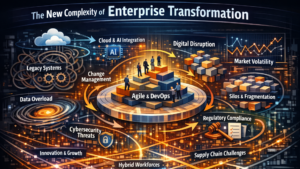
Modern enterprises operate across multiple systems and technologies. ERP platforms manage core operations, CRM systems track customer interactions, and integration platforms connect data across applications. Artificial intelligence adds another layer of complexity by introducing intelligent decision making and automation. Transformation today is no longer about implementing a single system. It requires orchestrating multiple components into a cohesive operating model.
Organizations must address:
• ERP modernization and process redesign
• AI adoption and operational integration
• data integration across systems
• governance and compliance requirements
• workforce readiness and change management
Without coordination, these efforts become fragmented.
An ERP modernization consulting partner helps unify these elements into a structured transformation program.
Aligning ERP and AI for Real Business Impact
Many organizations invest in AI tools expecting immediate results. However, AI cannot deliver value without a strong operational foundation. ERP systems provide structured business data and process control. AI provides intelligence and automation capabilities. The challenge lies in aligning the two. For example, an AI model may identify inefficiencies in procurement processes. But unless ERP workflows are configured to act on these insights, the value remains unrealized. An experienced enterprise AI consulting partner helps organizations bridge this gap.
They ensure that:
• AI insights are integrated into ERP workflows
• operational decisions are aligned with business policies
• automation supports real business outcomes
This alignment is critical for achieving meaningful transformation.
The Role of Integration Platforms
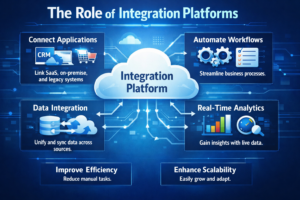
Integration is often overlooked in transformation initiatives. Yet it is one of the most important components of a modern enterprise architecture. ERP systems do not operate in isolation. They connect with CRM platforms, e-commerce systems, logistics tools, and analytics platforms. AI agents and automation workflows rely on data from all these systems. Without strong integration architecture, automation remains limited. A capable ERP transformation partner designs integration strategies that enable seamless data flow across systems. This allows organizations to:
• maintain consistent data across applications
• enable real time operational visibility
• support AI driven decision making
• automate cross system workflows
Integration becomes the foundation for intelligent enterprise operations.
Governance as a Core Requirement
As organizations adopt automation and AI, governance becomes increasingly important. Autonomous systems must operate within defined business policies and compliance requirements. Organizations must establish:
• decision boundaries for automation
• approval thresholds for financial and operational actions
• audit trails for system activities
• access controls for users and systems
Without governance, automation can introduce risks instead of reducing them. An experienced ERP modernization consulting partner ensures that governance frameworks are embedded into transformation initiatives from the beginning. This creates a balance between efficiency and control.
Managing Change Across the Organization
Technology transformation is only one part of the journey. Organizational change is equally important. Employees must adapt to new workflows, tools, and ways of working. This includes:
• understanding AI assisted decision making
• adopting new operational processes
• trusting automated systems
• focusing on higher value activities
Without effective change management, even the best technology implementations can fail. An ERP transformation partner helps organizations manage this transition. They provide:
• training and enablement programs
• communication strategies
• process documentation
• adoption monitoring
This ensures that transformation efforts are embraced across the organization.
Avoiding Common Transformation Pitfalls
Organizations often face similar challenges when attempting transformation without external guidance. Common pitfalls include:
• implementing AI without addressing data quality issues
• automating processes that are not standardized
• underestimating integration complexity
• neglecting governance and compliance requirements
• failing to drive user adoption
These challenges can delay projects and reduce the overall impact of transformation efforts.
An experienced enterprise AI consulting partner helps organizations anticipate and avoid these risks.
Building a Scalable Transformation Strategy
Enterprise transformation is not a one time project. It is an ongoing journey. Organizations must build scalable strategies that allow them to expand automation and AI capabilities over time.
This includes:
• starting with targeted use cases
• measuring performance and outcomes
• refining processes and policies
• expanding automation gradually
A strong ERP transformation partner provides a roadmap that supports long term growth. They help organizations move from initial automation efforts to fully integrated, intelligent operations.
The Strategic Value of a Transformation Partner
Working with a transformation partner provides several key advantages.
Expertise Across Domains
Partners bring experience across ERP systems, AI technologies, integration platforms, and governance frameworks.
Accelerated Implementation
Structured methodologies help organizations move faster while reducing risk.
Improved Decision Making
Partners provide insights based on industry best practices and real world experience.
Long Term Support
Transformation partners continue to support organizations as they scale automation and AI initiatives.
These advantages make it easier for organizations to achieve sustainable transformation outcomes.
Why DAX Software Solutions
At DAX Software Solutions, we help organizations navigate the complexities of modern enterprise transformation.
Our approach combines:
• ERP modernization and optimization
• enterprise AI consulting
• integration architecture design
• governance and compliance frameworks
• change management support
We focus on building intelligent, connected, and scalable enterprise environments.
As an ERP transformation partner, our goal is to help organizations move from fragmented systems to integrated and autonomous operations.
Conclusion
The future of enterprise operations lies in intelligent systems that can analyze data, coordinate workflows, and respond to business conditions in real time. Achieving this vision requires more than technology. It requires alignment across ERP systems, AI capabilities, integration platforms, governance structures, and organizational processes. Organizations that attempt this transformation alone often struggle with complexity and risk. Those that work with an experienced ERP transformation partner gain the structure, expertise, and guidance needed to succeed. For companies pursuing ERP digital transformation, the right partner is not just a support function. It is a strategic advantage that enables long term success in an increasingly complex enterprise environment.