

How DAX Software Solutions Rescues Failed ERP Implementations and Gets Systems Back on Track
By DAX Software Solutions · · Updated
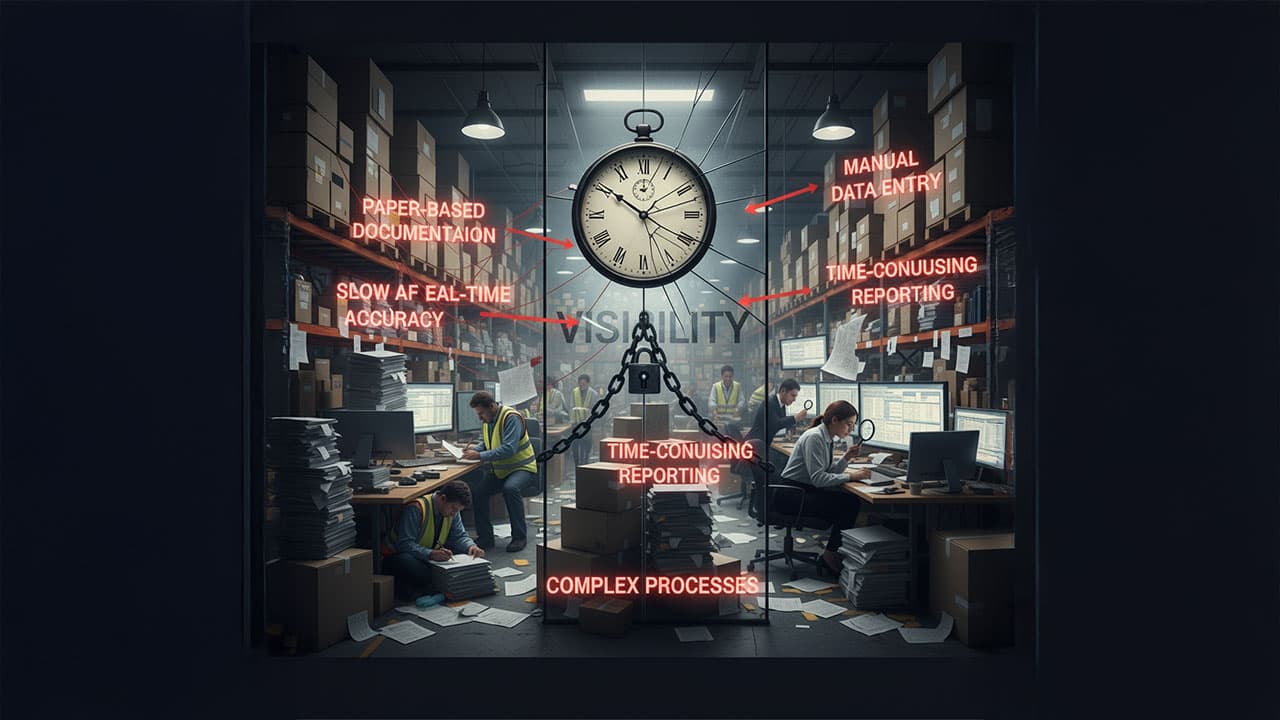
Companies invest significant time and resources into ERP projects because these systems sit at the heart of finance, supply chain, sales, operations, and reporting. When an implementation goes wrong, the impact can be enormous. Teams lose confidence in the system, manual workarounds increase, financial data becomes unreliable, and daily operations slow down. Many organizations find themselves stuck in a system that was supposed to simplify their processes but instead creates new complications.
At DAX Software Solutions, we specialize in rescuing ERP implementations that have stalled, broken, or failed to deliver on expectations. We are often brought in when clients feel they have exhausted every option with their original partner, yet the system still does not work for real-world operations. DAX provides a structured and transparent approach to ERP recovery that focuses on stabilizing the environment, restoring confidence, and rebuilding the system in a way that supports long-term growth.
Why ERP Implementations Fail
While every company has its own circumstances, there are common reasons why ERP projects fail. Understanding these factors helps organizations recognize early warning signs and avoid prolonged disruptions.
Incomplete or misunderstood requirements
Many ERP failures begin with unclear requirements. The partner implements functionality without fully understanding how the business operates. As a result, workflows do not match real processes and users are forced into workarounds.
Excessive customizations
ERP platforms like Dynamics 365 have powerful built-in features, but when partners rely too heavily on custom code, the system becomes fragile. Upgrades become difficult, integrations break easily, and performance suffers.
Poor data quality and incomplete migration
Data issues are one of the most frequent causes of post go-live failure. When master data is not cleansed, standardized, or mapped correctly, users cannot trust inventory levels, financial postings, or customer information.
Lack of testing and user readiness
Some partners rush through testing or involve end users too late. When the system goes live, users encounter errors, missing fields, and unstable processes that block daily work.
Weak integration design
If the ERP depends on data from other systems like POS, payroll, e-commerce, or CRM, a poorly designed integration can bring operations to a standstill. Missing validation, failed transactions, and inconsistent master data create ongoing chaos.
DAX enters at this point to identify what went wrong, stabilize the environment, and put the project back on a path toward success.
How DAX Approaches ERP Rescue
ERP recovery is not about starting over. It is about identifying the root causes and applying a structured, practical approach to fixing what is broken while preserving what works. DAX brings a combination of technical expertise and operational understanding that helps companies regain control of their system quickly.
Step 1: Rapid and comprehensive assessment
DAX begins with a detailed diagnostic review of the system. This includes examining configurations, data quality, integrations, customizations, workflows, and transaction logs. The goal is to determine what is causing disruptions and classify issues by severity. This assessment phase often brings immediate clarity to problems that previous partners could not explain.
Step 2: Stabilization and quick wins
Once the issues are identified, DAX focuses on stabilization. This includes fixing broken workflows, resolving blocking errors, correcting posting issues, cleaning up data, and repairing high priority integrations. Quick wins help users regain trust and reduce the operational burden on internal teams.
Step 3: Process redesign and optimization
A failed ERP project usually reveals deeper process misalignments. DAX works directly with business stakeholders to redesign processes so they reflect how the organization actually operates. The team adjusts configurations, eliminates unnecessary customizations, and rebuilds workflows to create efficiency and clarity.
Step 4: Rebuilding integration architecture
Integrations are often the most fragile part of a failed ERP project. DAX implements a stable and scalable integration framework that includes validation rules, retry logic, transaction monitoring, error reporting, and complete audit trails. This ensures consistent data across POS, CRM, e-commerce, and third-party systems.
Step 5: Strengthening data foundations
DAX conducts structured data cleansing, mapping, and transformation to rebuild trust in the information inside the system. Clean and consistent master data supports accurate reporting, reconciliations, and financial controls.
Step 6: Testing, training, and user enablement
Before relaunching fixed modules or processes, DAX performs thorough testing and ensures users are trained on the corrected workflows. This training focuses on making the system intuitive, reliable, and easy to adopt.
Step 7: Ongoing support and continuous improvement
The recovery does not end at stabilization. DAX provides continuous support and refinement to ensure the system remains healthy over time. Many clients choose to stay with DAX for long-term managed services because they value the responsiveness and expertise that the team provides.
What Makes DAX the Go-To Partner for ERP Rescue

Organizations repeatedly choose DAX for ERP rescue because of our ability to take over difficult projects and deliver stability, clarity, and measurable improvements. Clients often highlight several strengths that set DAX apart.
Deep understanding of real business operations
DAX consultants understand how finance, inventory, warehouse, retail, and manufacturing teams work day to day. This operational understanding helps us build systems that actually support the business rather than force it into rigid processes.
Proven ability to fix complex scenarios
Many of the projects we rescue include multi-state retail operations, high-volume POS transactions, supply chain networks, multi-entity financial structures, and intricate integration ecosystems. This experience allows DAX to solve problems that other partners could not.
Emphasis on simplicity and maintainability
Our goal is to build systems that are easy to use, easy to upgrade, and easy to maintain. DAX focuses on removing unnecessary complexity and improving long-term sustainability.
Transparent communication and predictable execution
Clients appreciate the clarity of our communication, structured timelines, and transparent approach to issue resolution. ERP recovery can be stressful for internal teams, so predictable execution is important.
Transforming Failure into Opportunity
A failed ERP implementation does not mean an organization has to start from scratch. With the right partner, it becomes an opportunity to rebuild the system in a stronger and more efficient way. DAX Software Solutions has helped many companies move from frustration and uncertainty to confidence and stability by repairing and optimizing their Dynamics 365 environments.
If your ERP is not functioning as expected or if your implementation has lost momentum, a structured recovery plan can bring your project back on track. With DAX as your partner, you can turn a challenging situation into a foundation for long-term success.