Looking for support with Dynamics 365?
With 20+ years of industry experience in ERP and CRM, DAX is proficient in crafting tailored solutions to meet the needs of businesses.
By DAX Software Solutions · · Updated
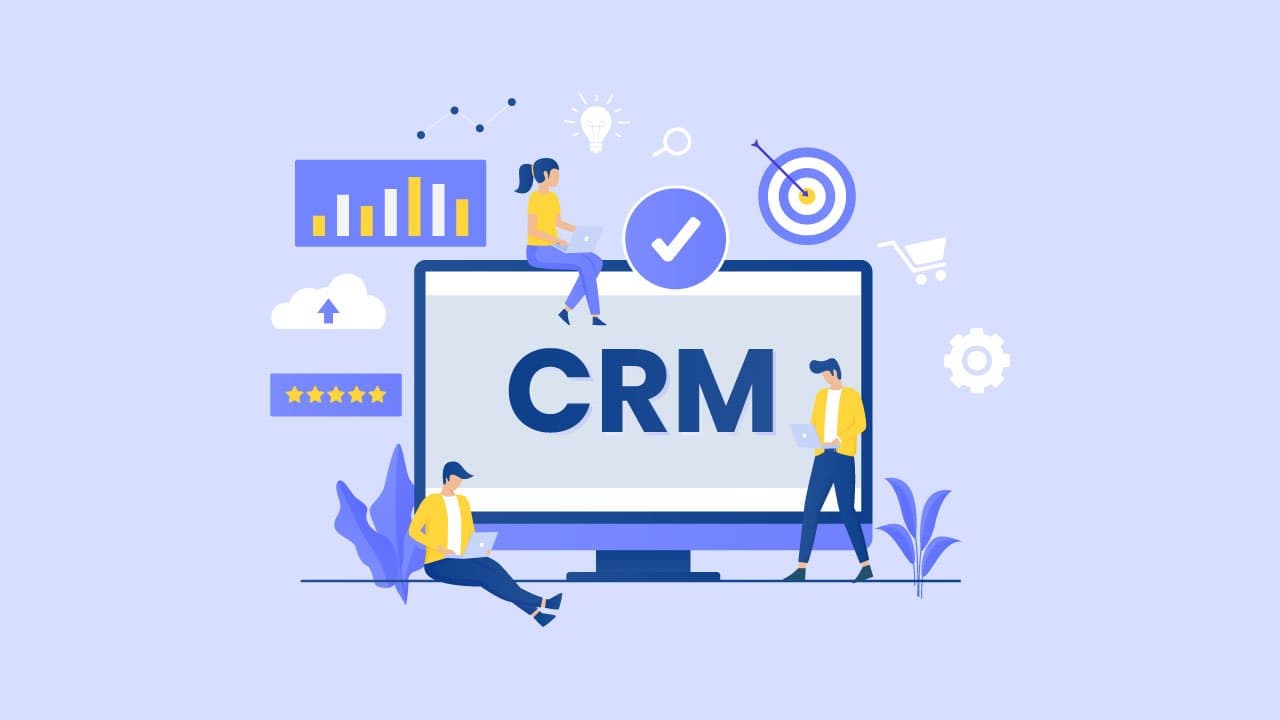
Cultivating strong and lasting relationships with your customers is paramount. It’s not merely about attracting customers; it’s about retaining them, understanding their needs, and delivering exceptional experiences. This is where Customer Relationship Management (CRM) software emerges as a crucial ally for businesses of all sizes.
CRM software is your digital command center for managing interactions, tracking customer data, and streamlining processes. It empowers you to nurture leads, enhance customer satisfaction, and boost revenue. But with a plethora of options available, how do you choose the right CRM software that perfectly aligns with your unique business needs?
Let’s explore all the factors you must consider when choosing the right software for your business.
Looking for support with Dynamics 365?
With 20+ years of industry experience in ERP and CRM, DAX is proficient in crafting tailored solutions to meet the needs of businesses.
But with a multitude of options available, how do you choose the right CRM software for your business?
Before diving into CRM selection, establish a clear budget. Consider both initial costs and long-term expenses. Your budget should encompass software licenses, implementation, training, and ongoing maintenance. Be realistic about what you can afford while keeping scalability in mind.
CRM software is available in various pricing models, such as subscription-based, per-user, or pay-as-you-go. Assess which model aligns with your budget and usage requirements. Pay attention to hidden costs like customization fees and support charges. Understand the pricing structure to avoid unexpected expenses down the road.
Conduct thorough research on CRM vendors. Look for reputable companies like DAX Software Solutions with a track record of delivering reliable CRM solutions. Read reviews, seek recommendations, and check customer testimonials. Investigate the vendor’s financial stability, customer support, and future roadmap. A well-established vendor ensures long-term support and updates for your CRM system.
Based on your research, create a shortlist of CRM software that aligns with your business goals. Consider factors like scalability, integration capabilities, and industry-specific features. Evaluate each CRM’s user-friendliness, customization options, and reporting capabilities. Create a checklist of must-have features and compare them across your shortlisted options. This process will help you narrow down your choices and make an informed decision.
Selecting CRM software is not a one-size-fits-all process. What works for one business may not work for another. Therefore, it’s imperative to consider the following steps:
Trials play a pivotal role in the CRM software selection process for several reasons:
Looking for support with Dynamics 365?
With 20+ years of industry experience in ERP and CRM, DAX is proficient in crafting tailored solutions to meet the needs of businesses.
Understand Your Business Needs:
Before diving into the world of CRM software, take the time to assess your business’s specific needs and goals. Consider factors such as the size of your customer database, the complexity of your sales process, and your budget constraints. Identifying these factors will help you determine which CRM features are essential for your business.
Define Your Objectives:
Clearly define your CRM objectives. Are you looking to improve customer communication, streamline sales processes, or enhance marketing efforts? Having well-defined goals will guide your CRM software selection process.
Research CRM Types:
There are different types of CRM software, including collaborative, operational, and analytical CRM. Collaborative CRM focuses on improving customer interactions, operational CRM streamlines processes, and analytical CRM provides data-driven insights. Research these types to identify which aligns with your objectives.
Budget Considerations:
Consider your budget when choosing CRM software. Some options are free, while others come with a subscription fee. Remember that investing in a CRM system is an investment in your business’s growth and efficiency.
Vendor Selection:
Once you’ve narrowed down your options, research CRM vendors thoroughly. Look for reviews, testimonials, and case studies to gauge their reputation and customer satisfaction. Make a shortlist of potential vendors based on your research.
Request Demos:
Reach out to the selected CRM vendors and request demos of their software. This hands-on experience will help you assess the user-friendliness, customization options, and compatibility with your existing tools.
Scalability:
Choose a CRM system that can grow with your business. Ensure it can accommodate your expanding customer base and evolving needs. Scalability is crucial for long-term success.
Implementation Planning:
Before rolling out your chosen CRM software, create a comprehensive implementation plan. Assign responsibilities, set timelines, and ensure that data migration is seamless. A well-structured plan minimizes disruptions during the transition.
User Training:
Invest in user training to ensure your team can effectively use the CRM software. Many vendors offer training programs, and you can also create internal training materials. A well-trained team maximizes the benefits of your CRM system.
Continuous Improvement:
CRM implementation is an ongoing process. Regularly evaluate its performance against your objectives and make necessary adjustments. Stay updated with software updates and new features to keep your CRM system optimized.
Selecting the right CRM software is a critical decision that can significantly impact your business’s customer relationship management processes. By investing time and effort in understanding your specific requirements and evaluating key factors, you can make a well-informed decision that aligns with your business objectives.
Remember to consider scalability, integration capabilities, user-friendliness, and customization options when assessing CRM software options. Additionally, take advantage of free trials, demos, and customer reviews to gain insights into the software’s functionality and performance. By choosing the most suitable CRM software, you can streamline customer interactions, improve productivity, and drive business growth.
Looking for support with Dynamics 365?
With 20+ years of industry experience in ERP and CRM, DAX is proficient in crafting tailored solutions to meet the needs of businesses.